Addressing LGBTQ+ Bias in GPT-3: Understanding the Risks and How to Mitigate Them
June 2, 2023Content warning: Please note that this blog includes examples of toxic and offensive language generated by OpenAI’s GPT-3.
Conor McCabe and Dr. Fabon Dzogang discuss the intricacies of using AI technology to produce human-like outputs, and the potential bias it presents towards the LGBTQ+ community and ethnic minorities. Providing research and data in their discussions, they also give guidance on how to reduce this bias to make the new technology as beneficial and efficient as possible.
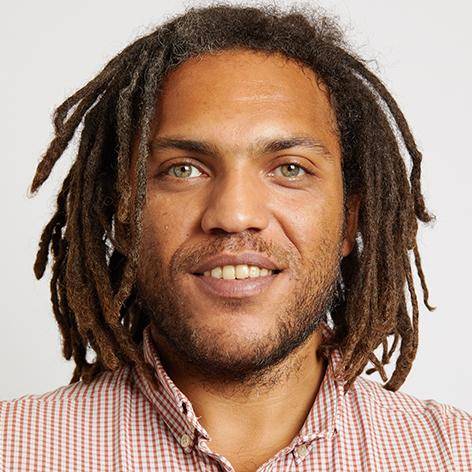
Dr. Fabon Dzogang
On its launch in November 2022, ChatGPT, the latest iteration of OpenAI’s GPT-3 models quickly gained mainstream status after being accessed by over one million users in just five days. The new ConversationalAI is built on top of its predecessor GPT-3 released two years earlier. OpenAI’s GPT-3 series have posed as a major breakthrough for generative AI with the capacity to produce impressive human-like outputs. Since its release ChatGPT has been banned from a number of schools due to cheating concerns as the chatbot was able to pass parts of business law and medical exams, its predecessor GPT-3 has been used to pen news articles, write complex code, and solve algebra problems — without being explicitly trained to do so. It can even write your CV.
In this article we explore the limitations of the GPT-3 series, their tendency to produce biased language towards the LGBTQ+ community and ethnic minorities, and the reasons why OpenAI invested significant resources to improve ChatGPT by addressing the inherent flaws of the original GPT-3 model. We also provide guidance on prompting the GPT-3 series available via OpenAI API to reduce potential bias towards the LGBTQ+ community and ethnic minorities.
ASOS is an innovative business so we are excited to explore opportunities to use ChatGPT to improve our customer experience (e.g. through applications in customer care). But some early implementations of person-facing products built using its predecessor have been problematic.
Fabon Dzogang, a senior machine learning scientist at ASOS, has previously led a research project in collaboration with UCL exploring a possible use case of GPT-3 as part of a customer care chatbot solution (which you can read about here). The methods consisted in re-ranking hand curated customer tips prepared by our specialist content teams at ASOS so to prevent the model from interacting directly with potentially harmful content generated by GPT-3.
Before allowing customers to interact with GPT-3 directly, we wanted to understand any possible risks in doing so since surfacing toxic output has the potential to cause serious harm to both our customers and the ASOS brand. Race and gender biases are well documented in generative AI systems but research into LGBTQ+ bias is lacking in comparison and is thus the main focus of this blog post.