
Earning the Title of an LGBTQ+ Ally
August 22, 2023“I would argue that if you haven’t been out of your comfort zone you might not be doing enough, especially as an ally.”
Dave Ernsberger, Head of Market Reporting and Trading Solutions at S&P Global Commodity Insights, spoke to myGwork about the work non-LGBTQ+ people need to do in order to earn the title of ally. Discussing why it’s so important to him to see his LGBTQ+ friends, family and co-workers to be fully accepted, he reveals the many ways in which he stands up for the community and calls out discriminatory behavior.
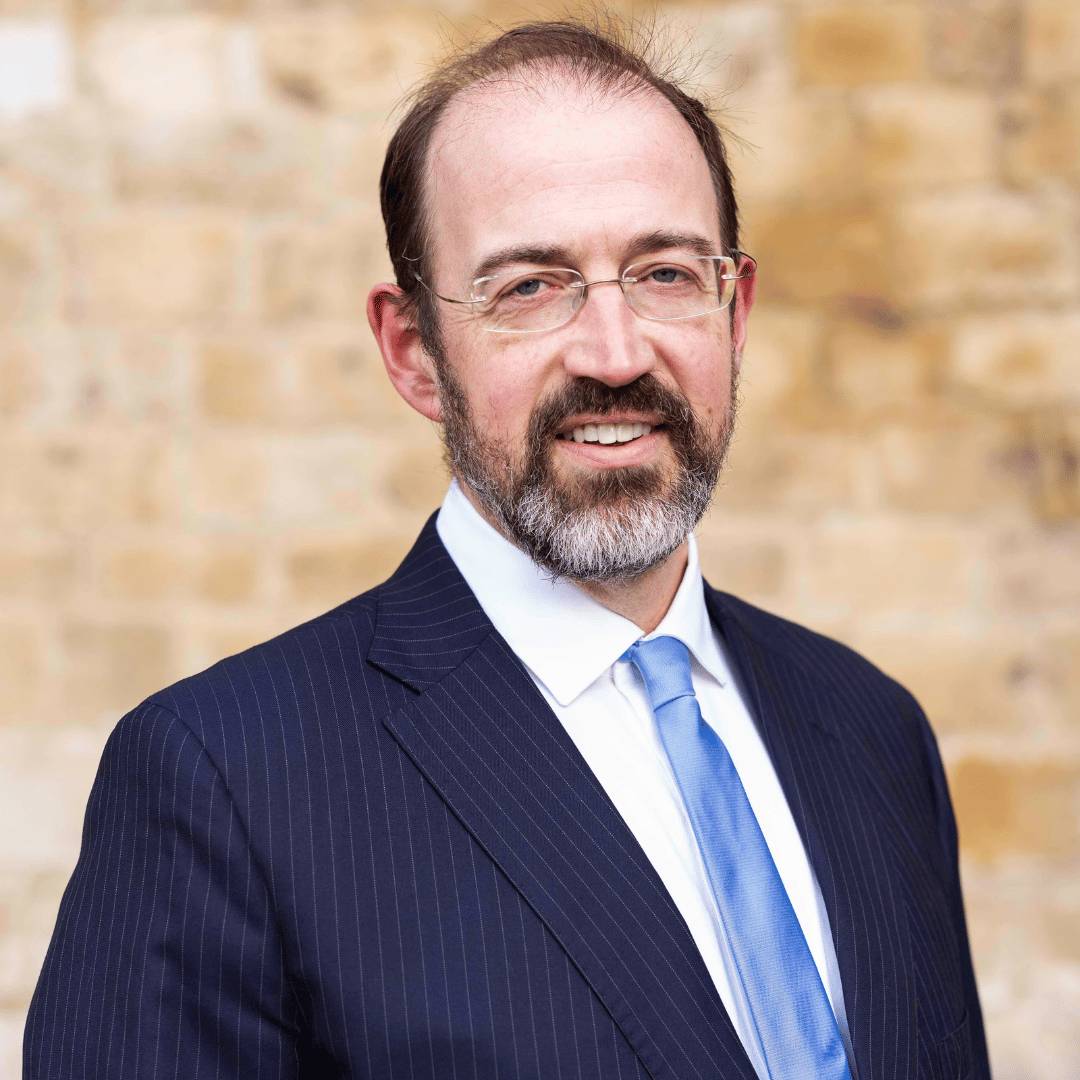
Can you please introduce yourself and describe your role within your organization?
My name is Dave Ernsberger, Head of Market Reporting and Trading Solutions at S&P Global Commodity Insights. I am based in London, and I oversee our market reporting, news coverage, and exchange relationships for commodity markets around the world -- as well as our exciting new offerings in the global carbon markets. I’m a member of our Management Committee, which reports to the president of the division and sets the strategy for the group as a whole. Our work includes focusing on what kind of culture we want and how we develop our people. There are more than 500 people in my group, and around 4,000 in the division.
What is your experience of being an ally to the LGBTQ+ community?
My relationship with the LGBTQ+ community has evolved quite dramatically over my lifetime. As a child growing up between the US and the UK, it was either forbidden to talk about these things, or the LGBTQ+ community was the subject of awkward (and sometimes very cruel) joking around among adults and kids alike. I’ve always had gay friends, even back in those days when it would be hard for people to talk about it sensibly. I’ve always wanted my friends in the community to be welcome and fully accepted – and to feel that way, too. I’m proud that people in my generation helped play a part in better normalizing the way we all relate to each other, even though I still see many situations and moments that are still challenging, in many places in the world, and close to home. Even though we’ve come a long way, I see risk of backlash, and there’s still work to do.
How, when and why did you decide to be an LGBTQ+ ally?
A colleague once told me in no uncertain terms that my lack of visible support for the LGBTQ+ community was creating an impression among some people that I was not an ally. This stung, because I always thought of myself as being welcoming and on the right side of the debate. On reflection I realized that not being clearly and vocally supportive was indeed not anywhere near helpful enough, especially since I am a senior leader. In general, I’ve learned that people often fill in the space with lots of things about you that aren’t necessarily true when you leave things unspoken, so I’ve been a more visible ally since that discussion – which happened about five or six years ago.
Are you a vocal ally with other marginalized groups? If yes, do you think you could help create a strong relationship and be a bridge between these groups? How?
Within our organization I am also an active ally with BOLD and WINS, employee resource groups that focus on issues in the Black community and issues facing women. One thing I notice is that there can be a bit of a zero-sum game mentality between employee groups, where sometimes groups can feel like they are competing –