
Empowering women: Abi Sawyer on resilience and inspiration
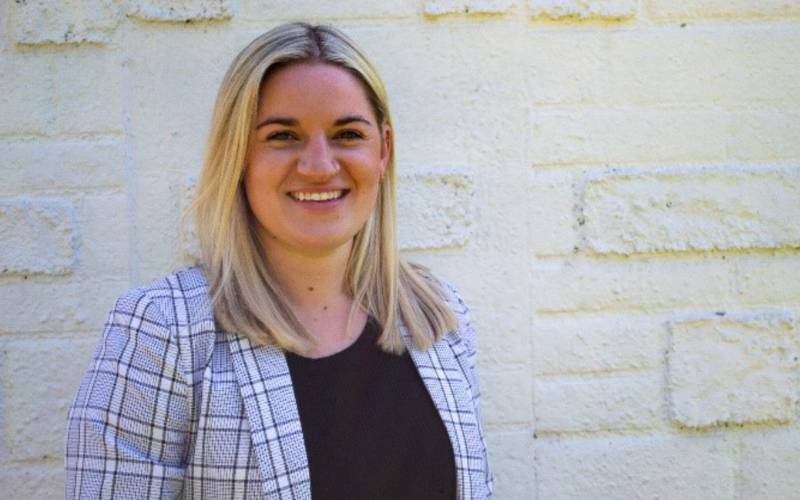
March 5, 2024Abi Sawyer, Customer Success Manager at Moody’s Corporation, spoke to myGwork for International Women's Day about the many inspirational women who have motivated her over the course of her career and personal life. She also offers a perspective on how her identities as a woman and as an LGBTQ+ person intersect, and provides advice for people experiencing discrimination or bias in the workplace.
Hi Abi! Thanks for chatting to us. Can you tell us a bit about yourself?
My name is Abi Sawyer and I am a Customer Success Manager on the Analytics side of Moody’s Corporation, based in Manchester. In my role, I focus on assisting our clients within our Strategic Insurance sector. We strive to maximise the benefits our customers derive from Moody’s products and solutions. Outside of my professional life, I have a passion for field hockey, cherish exploring the world solo, and I am a huge supporter of women's football. Also, crime thriller novels are my go-to choice for reading.
To start, could you share some inspiring stories of women who have made a significant impact in their communities or industries?
Alex Scott is a former professional footballer and sports broadcaster. She is best known for her time at Arsenal, where she won numerous titles, and for representing England in multiple World Cups and European Championships. After retiring from professional football, Scott became a respected sports pundit and television presenter. She is also an advocate for diversity and inclusion in sports and has spoken openly about the challenges she faced as a woman of colour and her experiences of sexism and racism in the industry.
Leah Williamson is another prominent figure in women's football. Currently playing for Arsenal and the England national team, she is known for her versatility and leadership on the pitch. Off the field, Williamson uses her platform to advocate for gender equality in sports and has been involved in initiatives that aim to increase participation and investment in women's football. Although Williamson has not publicly identified as queer, she has been a vocal ally of the LGBTQ+ community.
Lady Gaga (Stefani Joanne Angelina Germanotta) is a world-renowned singer, songwriter, and actress. She has been a trailblazer in the music industry, known for her distinctive style and powerful performances. Gaga identifies as bisexual and has been a fierce advocate for LGBTQ+ rights throughout her career. She founded the Born This Way Foundation in 2011, which aims to support the mental health of young people and build a more inclusive and kinder world.
I read Alex Scott’s inspirational book, “How (not) To Be Strong” where she discusses life’s hardships and how she has overcome them to make a career in punditry as a LGBTQ+ woman of color, after her retirement from professional sport. This was hugely impactful to someone who was so passionate about sport at university. After university I struggled to determine where I wanted to take my career outside of a world of sport that was my life. Being a student athlete at university and a competitive sportswoman, I’ve really benefited from seeing players like Leah Williamson fight for accessibility for women and young girls around the world to be able to play sport.
Having a female leader who stands with the LGBTQ+ community on a center stage for international sport, has given me inspiration and drive to exude similar behaviors. These women are my role models, as they combine some of my favorite passions. I had the fortunate experience of attending a Lady Gaga concert at the Mets Stadium in New York. I was moved by her powerful rendition of "Come to Mama", a song written to tackle themes of unity, love and the need for understanding empathy in the world.
Can you tell us about your experiences as a woman in the workplace, particularly any challenges you have faced and how you have overcome them?
In my own experience, workplaces and work culture in predominantly male environments can pose a significant challenge for women. The root of these issues very often lies in gender stereotypes, biases, and disparity in treatment. These systemic problems have occasionally led me to feel overlooked or disregarded. Something that works for me is setting clear boundaries and aligning expectations. This involves asserting my role and where I could add value, and then ac