
“It's a delicate balance:” Juggling family, tradition and queerness over Lunar New Year
January 28, 2025
During the auspicious time of Lunar New Year, diversity, equity and inclusion (DEI) activist Choon Young Tan talks to myGwork's Pepi Sappal about how cultural traditions and stereotypes have impacted his personal and career journey, and why he is now on a mission to break down barriers and promote true inclusivity, especially for the UK’s East and Southeast Asian (ESEA) community.
The Lunar New Year festive season is meant to be a time of joy and positive beginnings, and it's considered bad luck to argue or disrupt the harmony within the family. This adds an extra layer of pressure for East and Southeast Asians navigating their identity, wherever they happen to be celebrating Lunar New Year, shares DEI expert and activist Choon Young Tan.
“The expectations during family reunions, where questions about marriage are common, can create a significant amount of pressure. There's an assumption that individuals will follow traditional paths, and deviating from that can lead to complex and sometimes strained situations. Coming out may not align with the expectations set by cultural norms, making it a delicate time for those who fear judgment from their families,” shares Choon.
Given the cultural significance of avoiding conflicts during the Lunar New Year to start the year positively, how can individuals within the LGBTQ+ ESEA community navigate these challenges? “It's a delicate balance,” explains Choon. “Lunar New Year holds immense cultural significance, emphasizing family, harmony, and positive beginnings. Navigating these challenges involves finding the right time and context to have conversations about one's identity. Some individuals may choose to delay discussions to avoid disrupting the festive atmosphere and being blamed for bringing a year filled with bad luck, while others may use the occasion to foster understanding and acceptance within their families.”
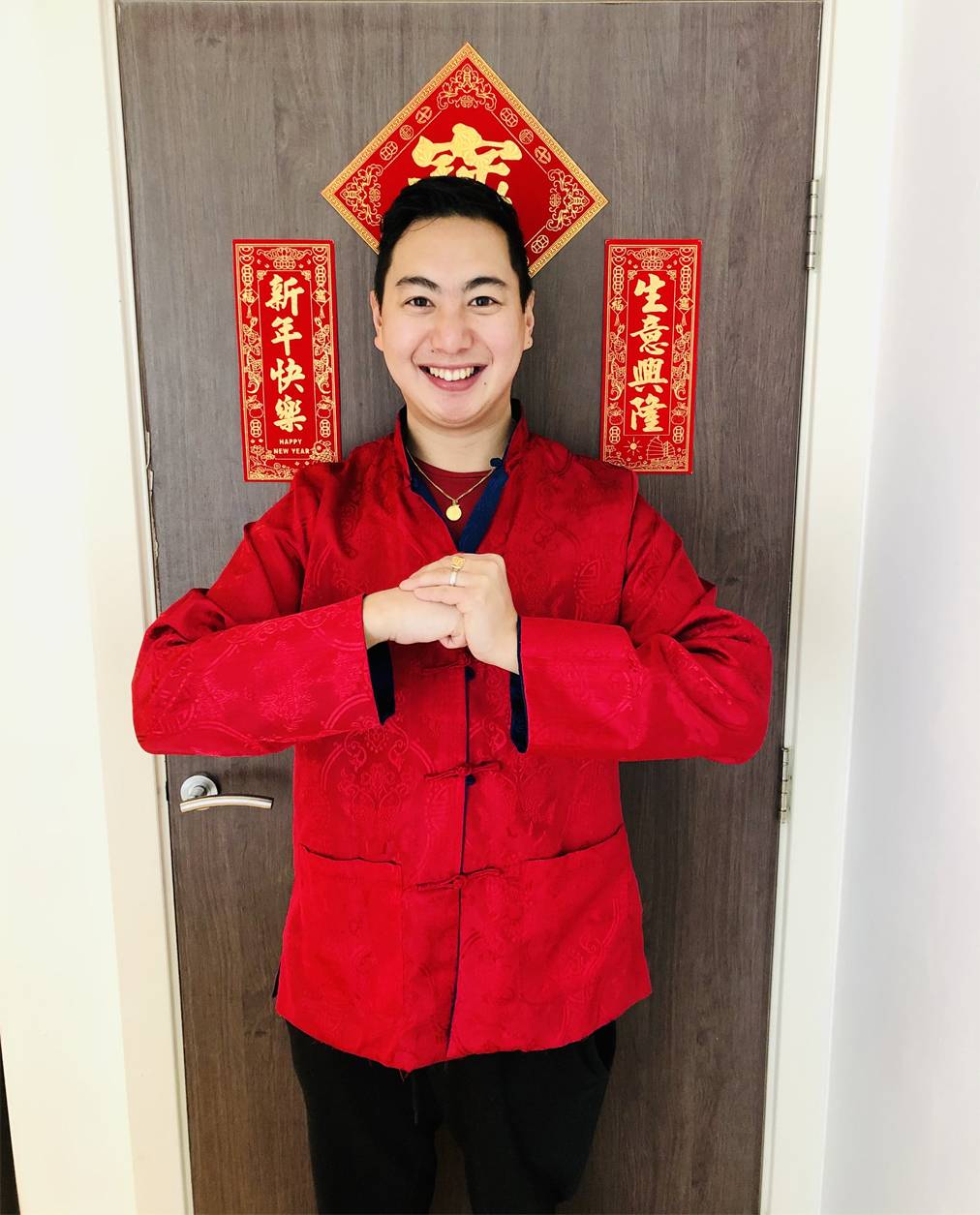
Lunar New Year traditions
So how have Lunar New Year traditions shaped Choon’s personal journey of coming out? “Lunar New Year has always been a time when my family came together, and the fear of potentially disrupting that harmony did play a role in shaping how and when I chose to come out. Timing and context needed careful consideration to ensure that the conversation would be as positive and constructive as possible,” shares Choon.
Originally from Reading in the UK, Choon recalls coming out to his parents in his early 20s. “While it wasn't as challenging for me as it might be for others in the ESEA community who identify as LGBTQ+, the diversity of experiences within our community is significant. I've been fortunate to have a supportive older brother who acted as a family ally and helped educate our parents about LGBTQ+ matters,” explains Choon.
But being LGBTQ+, alongside being first-generation Malaysian Chinese in the UK, comes with its own set of challenges, requiring careful navigation between Western values and traditional Asian ones. “The complexities within the East and Southeast Asian community, with political and religious connotations, add another layer of complexity. And embracing my East Asian identity took time, especially during my university years, where I learned to appreciate and be proud of my heritage,” admits Choon.
He believes Increased awareness and understanding within the community can help ease the difficulties faced by LGBTQ+ Asians during the Lunar New Year: “Increased awareness is crucial in fostering understanding within the community. By creating an open dialogue about the challenges faced during Lunar New Year and providing support networks, we can help individuals navigate these cultural expectations.”
Tips for celebrating Lunar New Year
Choon’s role as Head of Events at Voice ESEA to improve representation and inclusion, bringing together Manchester’s queer ESEA community, is helping to achieve that. His efforts in this space have been rewarded by being honored in the UK’s prestigious Diversity Power List 2023/24 by Inclusive Companies. His tips for celebrating Lunar New Year for those in the Southeast Asian LGBTQ+ community who are feeling disconnected from family/culture include:
- Celebrate with your friends and other people who are close to you - create and feel comfortable in your own safe space.
- Cleverly deflect questions and statements relating to your love life or the way you look or behave - succeeding in work is often as important to family as being married with children, so many people have found this to be an easy excuse to make.
- Do and wear what feels most comfortable and safe for you in family environments - some queer ESEAs have often felt at odds with both sides of their identities, with a desire to express themselves but not pull too far away from traditions or family expectations.
Before becoming a DEI activist, Choon recalled finding himself as the only East Asian person in the workplace, except for his earlier years when he worked for a Chinese company or in retail. “The East and Southeast Asian community in the UK is substantial, estimated to be at least a million people. However, the challenges that we face at work often go unnoticed. “
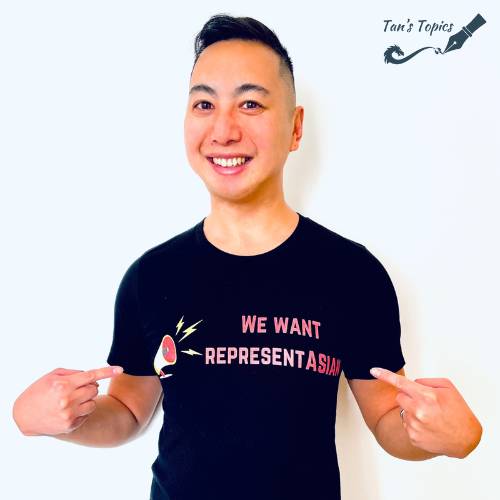
Model minority and bamboo ceiling challenges
He touches on the ‘model minority’ myth and ‘bamboo ceiling’ for the Asian community. “The ‘"model minority’" stereotype, while rooted in some truths and data, doesn't represent the diversity within our community. It perpetuates the image of East and Southeast Asians as quiet, hardworking individuals, which can be detrimental, hindering progress to senior leadership positions.
The ‘"bamboo ceiling’" is also a real challenge, and I've personally faced comments about not being assertive enough to be promoted into leadership, which is partly also why I ventured out on my own. I was sick and tired of being told this from so many sides - I’m just naturally quiet and shy but am slowly growing more confident, especially when it comes to public speaking. So, It's crucial to challenge these stereotypes.”
Choon wants organizations to do more to address diversity and inclusion and workplace stereotypes, particularly for individuals with multiple intersectional and marginalized identities. “Organizations need to actively address diversity and inclusion, especially in leadership positions. Acknowledging areas of improvement, outlining concrete steps, and fostering inclusivity are vital. It's about creating a welcoming environment for diverse talent, where individuals feel comfortable being their authentic selves. Publicly addressing and combating stereotypes is a step towards breaking down barriers and promoting true inclusivity,” says Choon.
It was the increased anti-Asian sentiments during the pandemic that prompted Choon to become more active in advocating for the ESEA community: “During the pandemic, there were instances of brutal attacks on East Asian individuals, especially the elderly, but the media coverage here has been significantly less than what we've seen in the US. There's also the issue of underreporting hate crimes.”
“I've been involved in various initiatives, from writing blogs to speaking up in public forums, and creating a subgroup of Voice ESEA called MCR ESEA PRIDE in Manchester, to raise awareness around these issues. I’ve also been focusing on community projects, events, and meetups for LGBTQ+ individuals within the East Asian community thanks to some help from Manchester Pride’s Community Fund.”
This May, Choon is leading the second annual “E.C.H.O. Exhibition” (ESEA Collective: History, Over Here”), deep-dive exploring British East and Southeast Asian history.
You can find out more about Choon and his work by connecting with him here.