
Living and breathing allyship: a neurodivergent parent's story
March 6, 2024“If we don’t talk about it, we’ll never challenge stereotypes, build understanding and empathy, and develop ways to demonstrate inclusivity for our wonderfully diverse neurodiverse colleagues.” Stu Colman, Senior Director of European Identity at The Trade Desk, spoke to myGwork about his passion for disability inclusion and LGBTQ+ allyship. He also delved into the experience of receiving an ADHD diagnosis later in life and being a parent to LGBTQ+ and neurodivergent children.
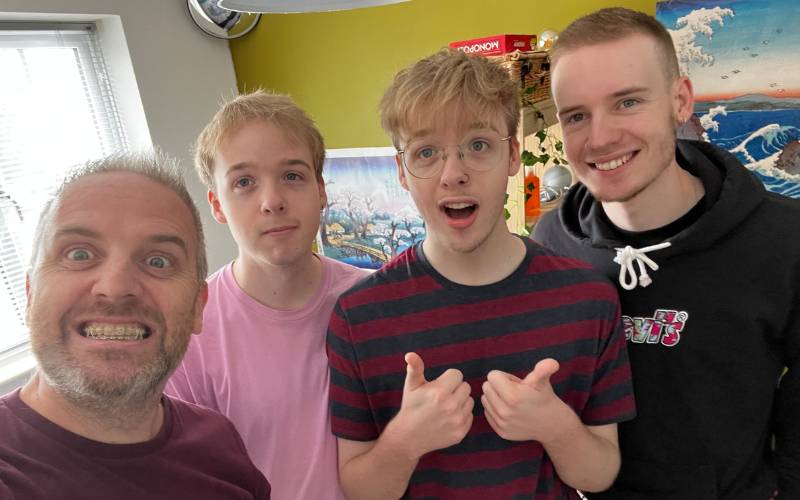
I’m Stu Colman, Senior Director of European Identity at The Trade Desk in London and proudly vocal about being part of the neurodivergent community. I have many passions in my life: cars, Lego, football, ice baths, and disability inclusion (my wife is disabled). I have also always been a strong ally for LGBTQIA+ inclusion. When my 14-year-old twins came out to me just before the start of the pandemic, I was reminded of how important it is not just to say you’re an ally, but to live and breathe allyship.
All four of my children have ADHD, but I only received my own diagnosis in my 40s. Being exposed to everything being neurodivergent brings, both the good and the bad, makes me passionate about driving awareness, understanding, and engagement to spark positive change. I’m proud of my ADHD and what it gives me. I want everyone to see, feel, and benefit from the joy that is neurodiversity in its many forms, and to understand there is so much more we can do to accommodate those whose brains work just a little bit differently.
Neurodiversity is a complicated subject for those who are neurodiverse, as much as it is for those who aren’t. The ‘spectrum’ is large, and from my own perspective, neurodiverse people’s experiences of how it manifests for them is very personal. Talking openly about neurodiversity can be daunting, especially at work.
A recent study by the charity Neurodiversity in Business shows that 65% of neurodiverse people in U.K. companies are worried about stigma and discrimination from management, and 55% are worried about discrimination from their colleagues. If we don’t talk about it, we’ll never challenge stereotypes, build understanding and empathy, and develop ways to demonstrate inclusivity for our wonderfully diverse neurodiverse colleagues.
I’m on a mission to promote openness, education, and acceptance, so please reach out to me at any time if you want to find out more about what it’s like to live in a neurodivergent mind (or my version of it!).
Below I’ve put together a list of ideas and approaches you can use to make your workplace a place where neurodivergent colleagues can be their authentic selves.
- Be patient. Sensitivity to stimulation affects so many neurodiverse people, and overstimulation is common and often debilitating. Most offices are not neurodiverse friendly (lights, noise, smell, texture), so sometimes it takes us a bit of time and effort to engage with neurotypical people as our brains are being overloaded with so much additional input.
- Be curious, but also sensitive. It can be daunting to talk about how hard you’ve had to work to be understood in a world