The Importance of LGBTQ+ Education and Safe Spaces
August 11, 2023By Diane Sherron
LGBTQ education, also known as LGBTQ+ education or queer education, refers to the process of providing comprehensive and inclusive information about lesbian, gay, bisexual, transgender, and queer (LGBTQ) individuals, identities, history, and issues. The aim of LGBTQ+ education is to foster understanding, acceptance, and respect for the community and also to address discrimination, prejudice, and stigmatization based on gender identity, gender expression, and sexual orientation.
What Defines LGBTQ+ Education?
Key components of LGBTQ+ education include:
- Inclusive Curriculum
- Anti-Bullying Programs
- Gender Diversity
- History and Contributions
- Sexual Health Education
LGBTQ+ education and safe spaces are vital for creating a world where individuals can thrive, irrespective of their gender identity or sexual orientation. Overall, it helps individuals connect with others, develop a sense of belonging, and work towards a world where everyone can thrive and be valued for their authentic selves. LGBTQ+ education and safe spaces are of utmost importance in creating a more inclusive and accepting society. Here are some key reasons why they matter.
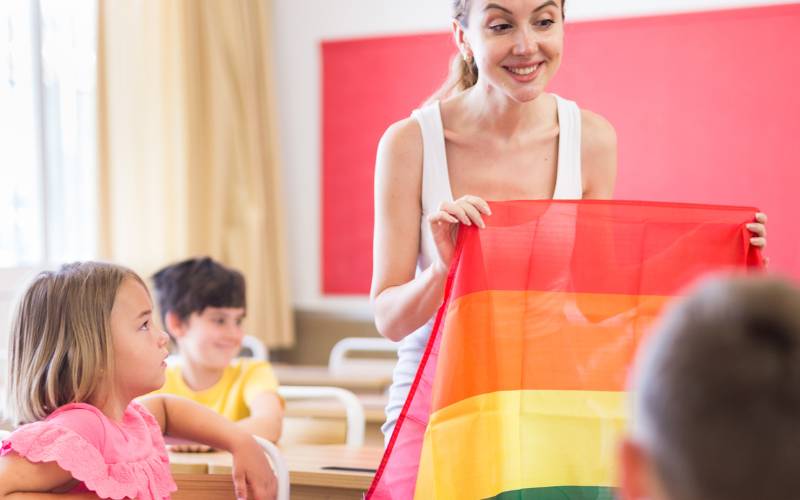
Image source: Canva
Fostering Understanding and Acceptance
A great way of making the lives of LGBTQ+ students easier is by giving them the opportunities to take part in queer pride events. To complete their school papers and essay writing assignments, students can get research paper help online. LGBTQ+ education helps raise awareness and understanding of diverse sexual orientations, gender identities, and gender expressions. It dispels myths and stereotypes, promoting acceptance and respect for all individuals.
Reducing Discrimination and Bullying
Safe spaces in educational settings provide a supportive environment for students, teachers, and staff members in the community. They help combat discrimination, bullying, and harassment based on sexuality or gender fluidity. Safe spaces encourage open dialogue about LGBTQ+ topics, creating opportunities for discussions on diversity, human rights, and equality. Education about these issues also challenges homophobia and transphobia by promoting empathy, compassion, and solidarity.