
The Painful Realities of Being Muslim and LGBTQ+
April 20, 2023myGwork's event shared the stories and experiences of LGBTQ+ people who are Muslim, or of Muslim heritage or culture, during the auspicious time of Eid al-Fitr.
Warning: Be aware the video contains stories of abuse and violence.
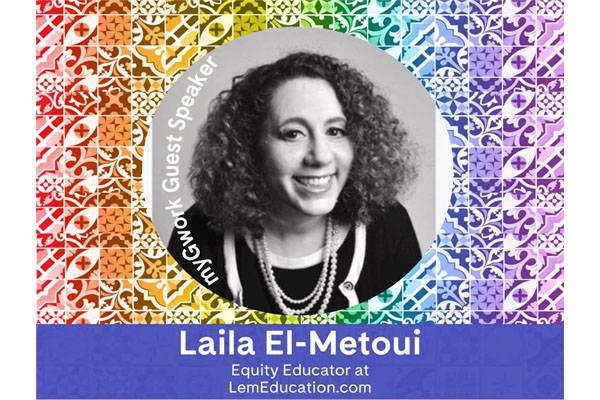
The event highlighted stories of pain, resilience, and strength, thanks to Ejel Khan, Coordinator at the Muslim LGBT Network, Alia Ramna, the Welsh Ballroom Queen, Laila El-Metoui, Equity Educator at LemEducation.com and founder of Queer Arabs, Rahim El Habachi, Creative Associate at National Theatre Wales, and Osman, who is Outreach at Hidayah. Hosted by myGwork’s head of social media, George Wright, the myGwork community heard intersectional stories of what it means to be both LGBTQ+ and Muslim.
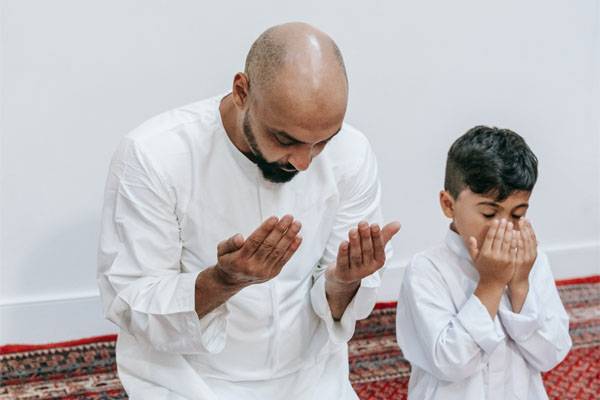
One of the themes tackled by the panel included just how diverse the Muslim world is and misrepresentation of the community. Like Christianity, there are many different variations, schools of thought and strands of Islam within the Muslim faith, from people of differing cultures from the Middle East and North Africa to South and East Asia. “If you think about the Arab world alone, we’re 26 countries with 411 million people, yet we're being marginalized despite being part of a global majority,” highlighted Laila. She also shared how the Muslim community is often misrepresented in the media.
As well as the huge diversity of Islam, the panelists (representing both Arab and South Asian perspectives) shared why many LGBTQ+ Muslims are ostracized by their family members and people in their community, and the impact of this on their faith. For many on the panel, Islam is not just a religion but a way of life. “For me, as a Muslim, our gender and sexuality does not prevent us from living a Halal Muslim lifestyle,” explained Osman. “Rather, it's our culture around organized religion that poses a problem.”
Despite most of her family accepting and embracing her LGBTQ+ identity, Laila’s negative experience with Islam saw her leaving the faith: “I explored a range of other religions and found that Buddhism was better for me. If I had access to places like the Inclusive Mosque Initiative, which we have in London now, or places that respected women and queer LGBTQ+ people, maybe I wouldn't have left the faith.”
The panel also highlighted the additional violence and abuse that many in the Muslim LGBTQ+ community face as a result of their intersectional identity. Osman cited stark statistics from a recent UK Black Pride report, noting that “64% of LGBTQ+ Muslims said that they would not feel safe walking down a street holding their partner's hand. Another 70% said they avoid certain streets because of feeling unsafe and 55% adjust the way they dress in public. More specifically, 78% of Muslim Pakistani people said they would avoid certain streets because they did not feel safe.”