
The pros and cons of the term ‘openly LGBTQ+’
June 3, 2024By Dylan Mann-Hazell
The terms 'openly gay’, ‘openly trans’, or just generally ‘openly LGBTQ+' have been a casual part of our vocabulary for a long time. You’ll often catch it in news headlines – ‘artist breaks the record for most streamed openly gay musician’. But, what does the ‘openly’ actually mean?
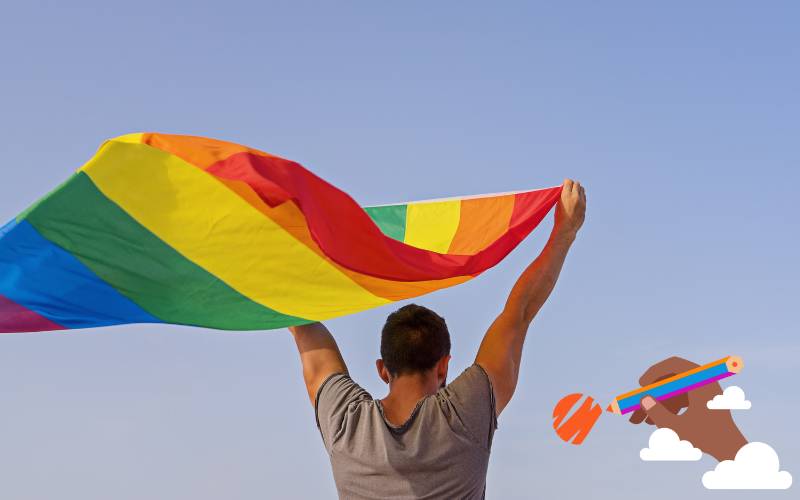
Defining ‘openly LGBTQ’
Naturally, it’s a phrase used to indicate someone’s identity is public knowledge, the antithesis of 'closeted.’ However, there is a valid argument to be held for how dated the term is becoming, as society progresses. Is there such thing as ‘openly’ LGBTQ+, or do we need to explore other terminology? Like many phrases, it has a history and a deeper meaning, with both pros and cons that should be taken into consideration moving forward.
To use the term 'openly LGBTQ+' is to refer to someone who identifies themselves as part of the LGBTQ+ community in their personal, public and professional lives. The phrase can be used inclusively. For example, if a gay man became the first member of the community to break a particular record, you might want to use the term ‘openly gay’, to include previous record-breakers who may have been gay, but not to public knowledge.
I