OUTing the Past Festival of LGBT History @ Brighton Museum & Art Gallery
The OUTing the Past Festival of LGBT History 2019 @ Brighton Museum & Art Gallery, presented by Schools Out UK
11.15am - 4.45pm
Museum Lab, first floor
A day of illuminating talks and performances exploring a variety of LGBTQ histories from Brighton and beyond. (link to page with full programme with timetable PDF). This event is being run as part of Brighton Museum's LGBT History Month themed Free Day https://brightonmuseums.org.uk/discover/events/event/free-day-lgbt-history-month
Walk up tickets will be avalible on the door only if tickets remain on the day.
Light refreshments and snacks will be avalible during the breaks, please see the event timetable http://www.outingthepast.org.uk/festival-of-lgbt-history/outing-the-past-2019-festival-programme-brighton/.
Please contact the event organiser [email protected]in advance of the event if you have sensory impairment or any access requirments.
For general information about the venue please contact Visitor Services Tel: 03000 290900
Email: [email protected]
Event Programme
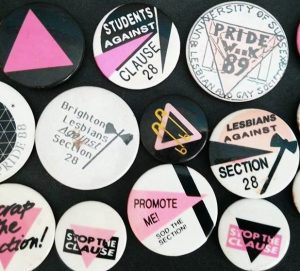
Photo Melita Dennett
Melita Dennett
Section 28: Promoting Prejudice
Melita Dennett, local radio broadcaster, provides an insight into life as a former member of the Brighton Area Action against Section 28. Looking at the context leading up to the introduction of the legislation in 1988 including AIDS, media homophobia and the Tories’ attacks on progressive Labour policies; Melita gives an insider’s perspective of how Brighton’s LGBTQ community came together to fight the clause with some audacious actions and plenty of wit and humour. This presentation reflects on the urgency of remembering the campaign which made Brighton the place it is today. She reminds us that we need to be vigilant in a world shifting to the Right to ensure that legal and social protections for LGBTQ people are not undermined.
Dr Sharon Webb & Prof Kate O’ Riordan
GaySoc and Campus Life: Activism, Politics and Experience
A look at the fragmented, and often incoherent histories of Sussex University’s LGBTQ+ Society that shares events and insights drawn from oral history testimonies and archives. Since the late 1960s the Society has acted as powerful lobbying group for a litany of gay rights and broader civil rights issues. This presentation will describe the political rallies and forms of protest used, including the Society’s involvement with Brighton Gay Pride, and consider the Society’s impact on campus life and their presence in Brighton more broadly.
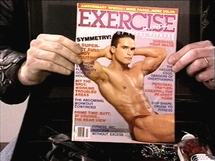 Neil Bartlett & Stuart Marshall PEDAGOGUE, 1988 © courtesy of the artists / LUX
Susan Eskdale & Neil Bartlett
PEDAGOGUE, Clause 28 and the 1980s
Neil Bartlett is an author, playwright and civil rights campaigner. In 1988 Neil was an out gay man working as artist in residence on the BA Fine Art Course at what was then Newcastle Polytechnic. Susan, who now works for Brighton Museum, was an art student keen to explore all creative options. PEDAGOGUE a short film, features performances by Susan and her fellow students, exploring in comic style the possible implications of Clause 28. This presentation, exploring how and why the film was made, will be followed by a screening of the piece.
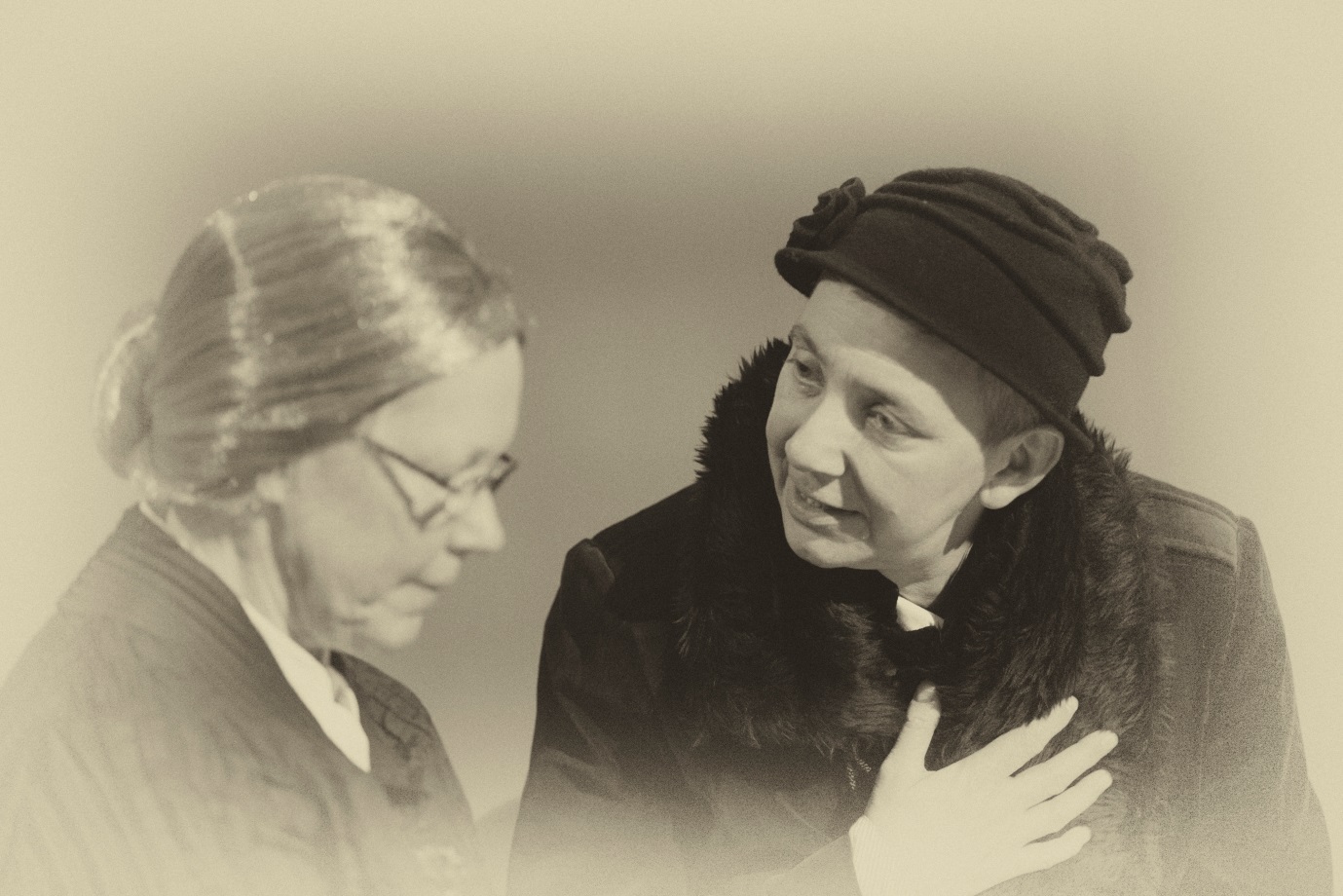 Jane Hoy & Helen Sandler as Mary Lloyd and Frances Power Cobbe, Photo Alan Hale
Jane Hoy & Helen Sandler - Living Histories Cymru
“The oldest New Woman and her incorrigible Welsh friend”: Miss Frances Power Cobbe and Miss Mary Charlotte Lloyd in conversation.
The history of women’s suffrage often ignores the mid Victorian campaigners who blazed a trail for 20th century feminists. This performance throws light on the contribution of ‘women loving women’ to the early women’s suffrage cause. It follows a lively conversation in costume with Frances Power Cobbe (b.1822), an Irish feminist, theologian, journalist and political activist, and her partner Mary Charlotte Lloyd (b 1819), a Welsh artist and sculptor. From beyond the grave, the couple reminisce about how they met in Rome through ‘Charlotte’s Web’ (a group of women loving women), and a lifetime of campaigning for women’s suffrage and animal rights.
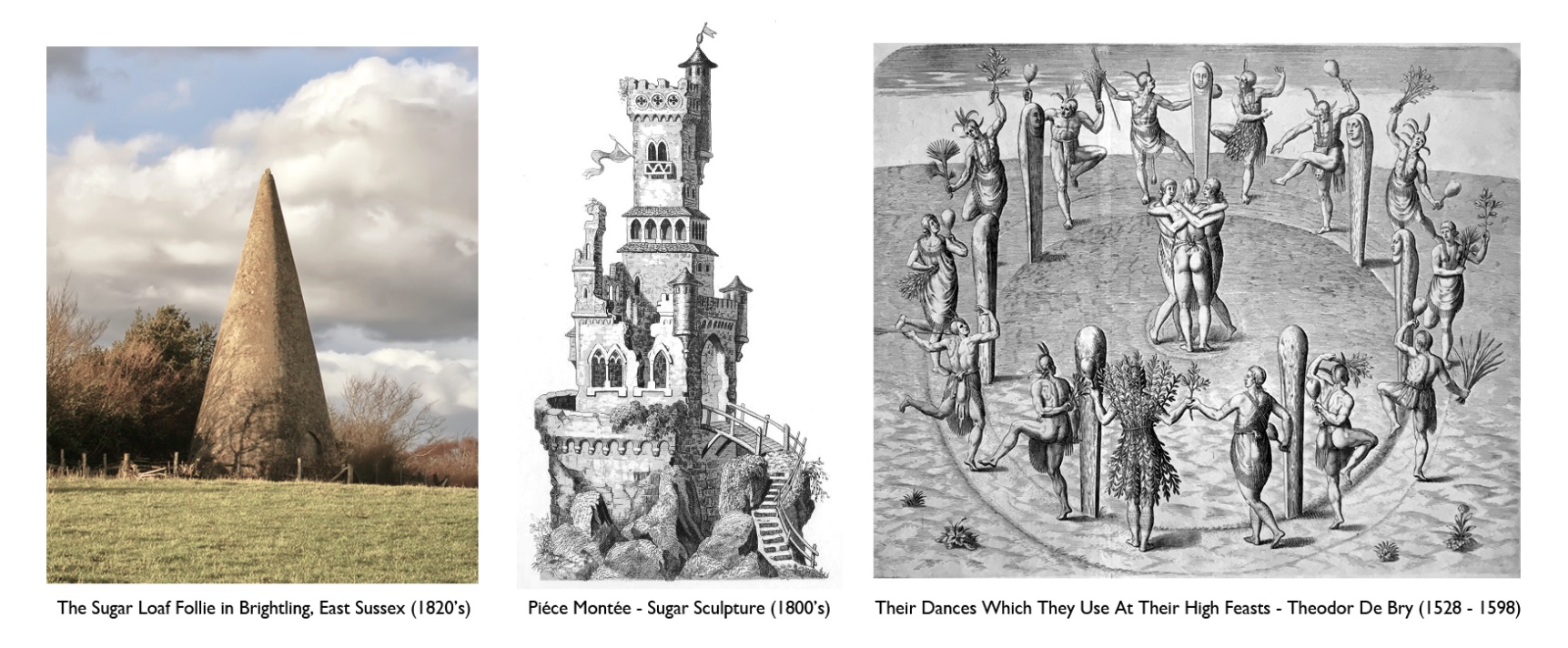 The Su Lo Loaf Follie in Brightling, East Sussex (1820s) photographer unknown, Piéce Montée- Sugar Sculpture from the Cookbook of Jules Gouffé (1853), Their Dances Which They Used At Their High FeastsTheodor De Bry (1528 – 1598) illustrations from the book “A Brief and True Report of the New Found Land of Virginia”.
Ven Paldano
Decolonising the Legacy of Local Regency & (Black Indigenous People of Colour) Gender Narratives
Ven Paldano, Local Architectural Assistant and community organiser within QTIPoC Narratives Collective, unravels the heritage of 162 East Sussex slave owners. This visual essay looks at Georgian wealth and extravagance from the perspective of the people who paid for it. It examines the impact of British colonial laws on Queer people of colour, laws that wrote indigenous non-binary gender identities out of history. The talk examines how these past injustices still cause shame and hardship for many Queer people of colour today and how this relates to current LGBTQ immigration struggles.
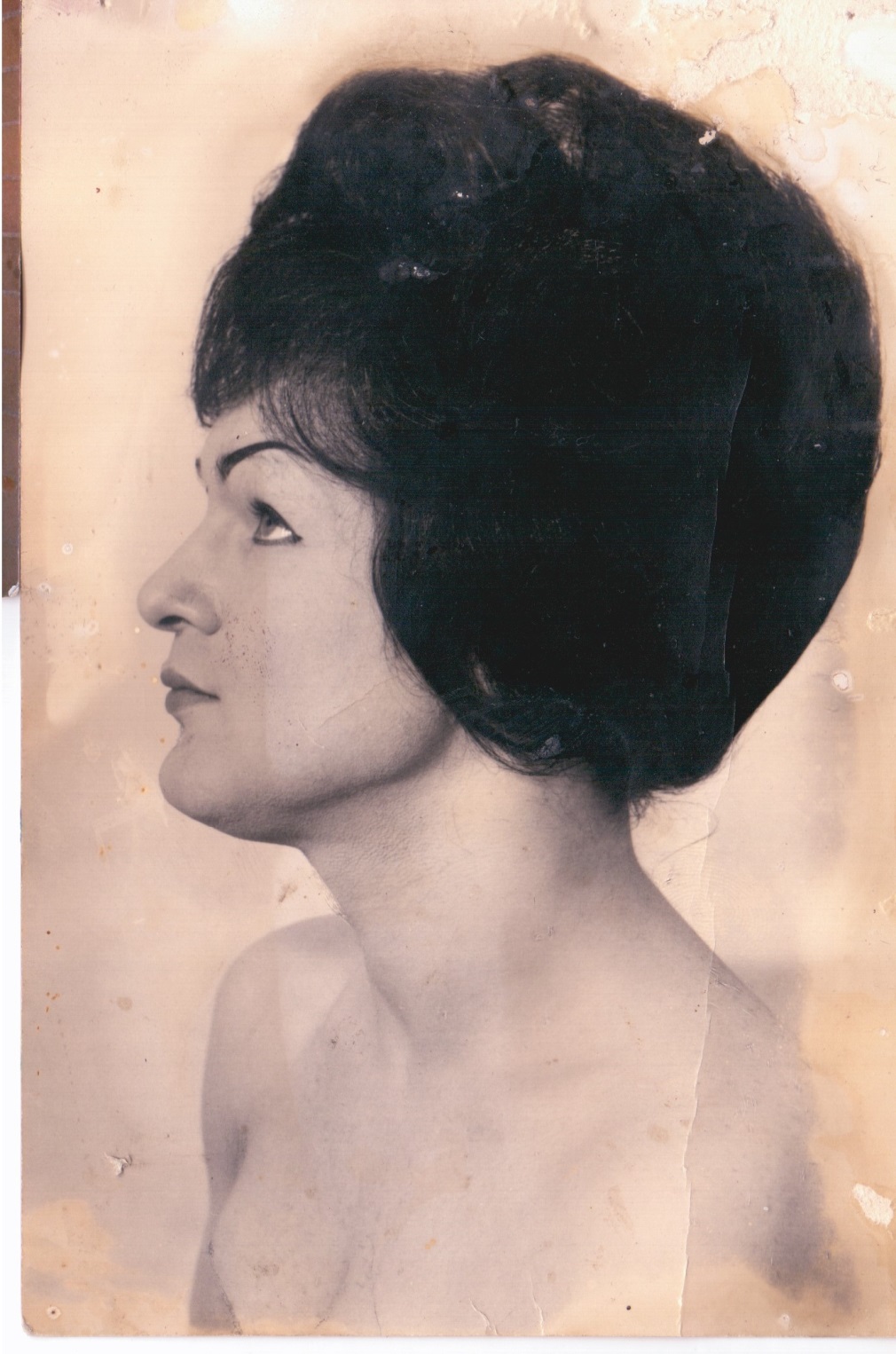 Picture of Aaicha (1954) from private collection
Alex Bakker
Transgender Pioneers of the Fifties: a secret history
In December 1952, Christine Jorgensen, a former GI from New York, caused a media sensation by undergoing sex reassignment surgery in Denmark. This marked a time when many transgender people started searching for medical help to transition.
Sex reassignment surgery was officially prohibited in most countries and the Danish government quickly banned helping foreigners. However, through an international network of doctors, the Netherlands temporarily became a secret place of refuge for American and European trans women.
Alex Bakker, an expert in Dutch transgender history, looks at the difficulties faced by these trans pioneers of the fifties. He uncovers how the relationships between transgender persons and doctors developed and the ethical issues raised by this new medical approach to what many regarded as mental illness.
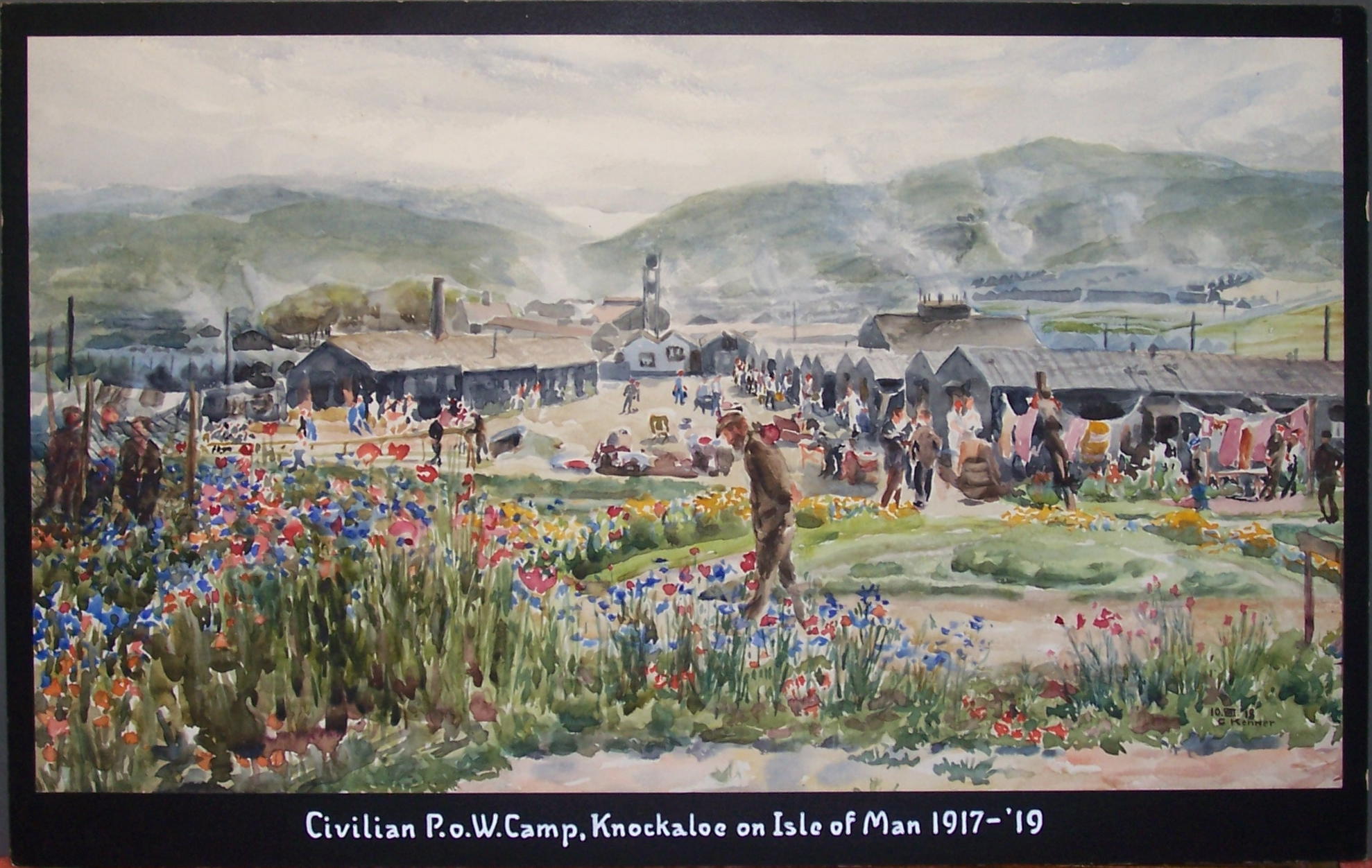
Watercolour of Knockaole Camp by Internee George Kenner © George Kenner and Roy Karl Bedford CC-BY-SA 2.0
Dr Kit Heyam
Gender nonconformity and trans possibility at Knockaloe First World War internment camp
From the outbreak of the First World War, and particularly following the sinking of the Lusitania in May 1915, Britain imprisoned nationals of enemy countries who were on British soil. These vast camps have frequently been written about as ‘all-male environments’ as only those of military age, who were assigned male at birth were sent there. However, investigation reveals some people lived full-time as females within them. How should we interpret evidence of historical gender nonconformity when we lack first-person accounts of how it related to identity?
This talk discusses Knockaloe, a camp on the Isle of Man which at its peak held 24,000 people. Using photographs and diaries from the camp alongside the testimony of early 20th century trans people, it argues for the importance of acknowledging the possibility of trans identity in history.
Keep up to date with the
latest events
_________________
LGBT professionals, LGBT
Graduates, LGBT professional network, LGBT professional events, LGBT networking
events, LGBT Recruitment, LGBT Friendly organisations, LGBT Friendly
companies, LGBT jobs
__________________
